
Self-calibrating and adjusting sensors will make your job easy

Published / Updated: May 22, 2026

With our sensors in your production, you can relax and be confident that the job will always be well-done!

If you are using fully automatic tools that do not need adjustments at all, you can be confident that your production is running smoothly even during your well-deserved break.

Always remember: Self-calibrating and self-adjusting sensors lessen the problems by manual adjustments.


Lessen the risks of manual adjustments with these automatic sensors

Double Sheet Detector IS231
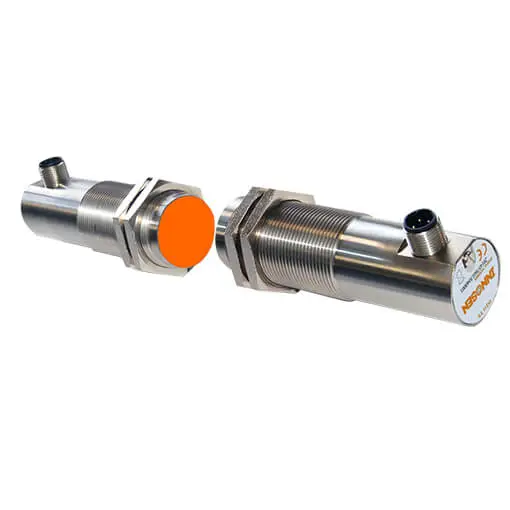
Protects production against double sheets without requiring any operator adjustments.

Get the Specification


Missing Lacquer Detector IS651
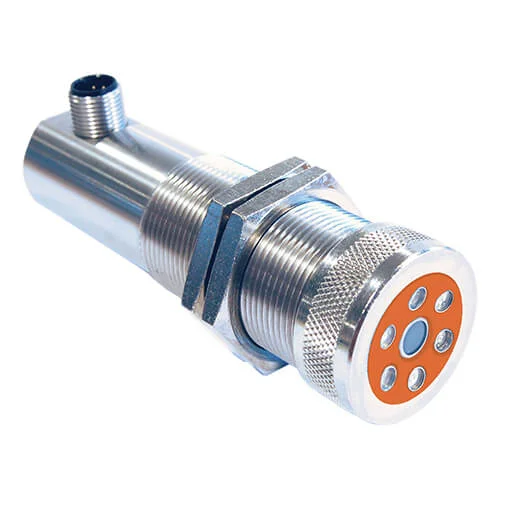
IS651 Missing Lacquer Detector

Detects big bands of missing lacquer on coated sheets.

Get the Specification


Inverted Blank Detector IS631
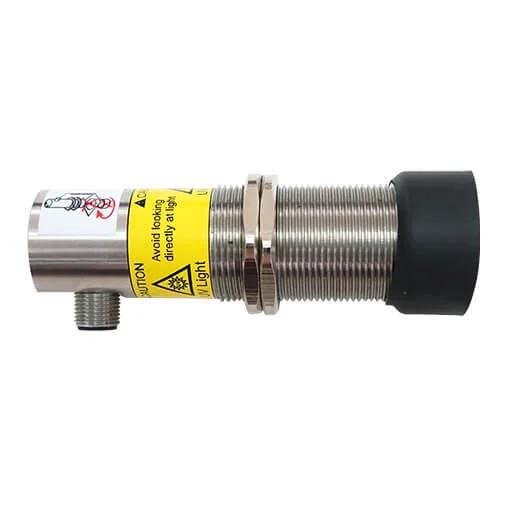
IS631 Inverted Blank Detector

IS631 Inverted Blank Detector

Detects inverted can bodies or blanks with lacquer on the wrong side.

Get the Specification


Tags:

You May Also Like

Enamel Rating: Failure Mode and Effect Analysis

Enamel Rating: Failure Mode and Effect Analysis

Enamel rating tests the integrity of the lacquer layer inside a can. We break down seven failure modes, from poor substrate contact and probe corrosion to fill level and operator influence, that make readings look better than they are, and how the IS9015 Can Stand for Enamel Rater prevents them.

Metal Can Defects: Effects, Causes and Prevention

Metal Can Defects: Effects, Causes and Prevention

Critical, major or minor: not every can defect carries the same risk. Learn how to spot fractures, missing seals, corrosion and dents, what causes them in the seaming, lacquering and handling stages, and how canmakers can prevent them before defective cans reach fillers.